

PRIMITIVE REFLEXES IN CHILDREN: THE HIDDEN LINK TO ATTENTION, ANXIETY, AND LEARNING CHALLENGES
If your child struggles with focus, anxiety, coordination, emotional regulation, handwriting, or sensory sensitivities, you’ve probably asked yourself:
Why is this happening?
And what are we missing?
Many parents are surprised to learn that some of these challenges can trace back to the earliest stages of brain development — specifically, something called primitive (developmental) reflexes.
Understanding primitive reflexes helps explain why some children seem to “work harder” than their peers just to keep up — and why addressing development at its foundation can create meaningful change.

Emerging Minds acknowledges that families come in many forms. For the purposes of easy reading, the term ‘parent’ encompasses the biological, adoptive, foster and kinship carers of a child, as well as individuals who have chosen to take up primary or shared responsibility in raising that child. We also appreciate that every child is unique and has different strengths, vulnerabilities and experiences that shape their health and development.
Understanding how a child’s reactions, thoughts, behaviours and sense of control are influenced by their development can help you imagine what life is like for your child right now. Knowing what children are (and aren’t) likely to be able to do and understand at their current age helps you respond in ways that support their positive development and mental health.
This fact sheet describes the main developmental experiences and capabilities of babies and toddlers up to around three years of age, and offers ways parents, family members and other adults can support children’s healthy development and wellbeing.


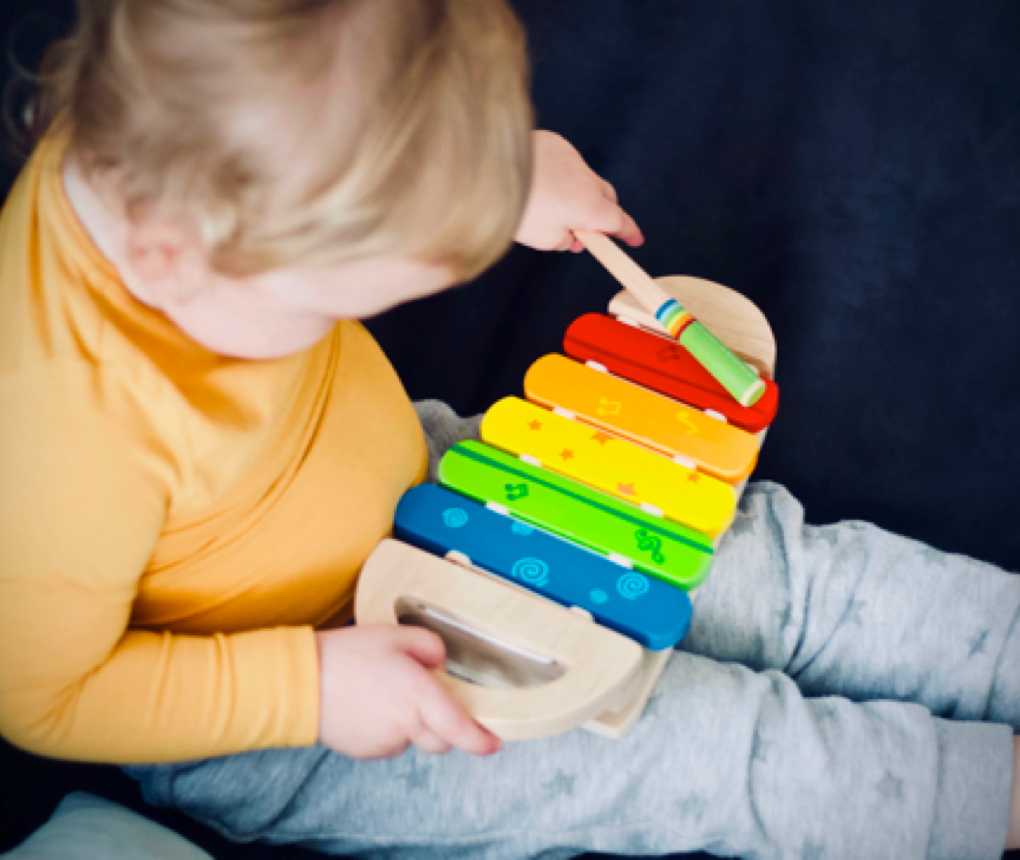
Key things to remember about children’s development:
Every child grows and develops at their own pace, and so their developmental journey is unique. Some children master certain skills earlier than others and some take longer or need a bit more help and direction.
A child’s development is shaped by their unique genes as well as their relationships and experiences at home and in the other places they learn and play.
Neurodivergent children and children with a physical or intellectual disability may think, move, communicate and/or process senses differently, which can influence their developmental pathway.
The best way to support your child’s development and wellbeing is to provide a safe and secure environment and respond warmly, consistently and appropriately to their needs.
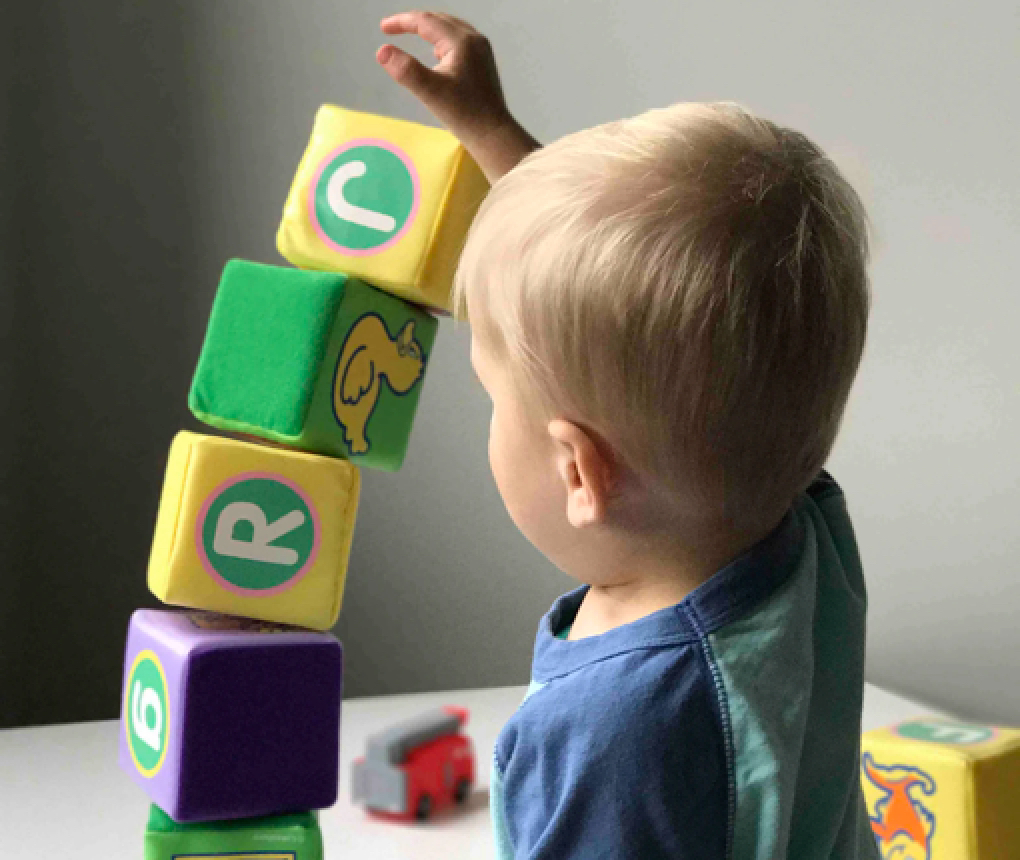
A note about developmental ‘stages’ and ‘milestones’
Health professionals and other resources may refer to ‘stages’ of development or lists of developmental ‘milestones’ to check whether a child’s development is ‘on track’ or if there are any areas of concern. Milestones are specific skills or capabilities children typically develop by certain ages. Milestones are based on neurotypical processes and can’t reflect the unique characteristics and experiences of each child. For this reason, we’ve chosen not to refer to specific ‘stages’ or ‘milestones’ in this resource.
If you’d like more information about milestones, we recommend the following resources:
Understanding infant mental health and wellbeing (Emerging Minds Families)
Milestones for newborns 0–3 months (Raising Children Network)
Milestones for babies 3–12 months (Raising Children Network)
Your baby’s growth and development – first 12 months (Pregnancy Birth & Baby)
Toddlers’ development (Raising Children Network)
When to seek advice
As a parent you know your child best. If you have any concerns about the way your baby or toddler moves, speaks, learns or interacts with other people, talk to your doctor/GP or child health nurse.
Please make an appointment to see your GP, child health nurse or another health professional if your infant:
doesn’t smile or interact with people
isn’t moving both arms or both legs
is still clenching their fingers in a tight fist at six months
isn’t reaching for objects by six months
doesn’t seem to hear or see properly (they don’t follow you with their eyes or respond to sounds)
isn’t starting to babble (e.g. ‘bubba’, ‘dada’) by around 10 months, or isn’t saying any clear words by around 18 months
isn’t trying to stand up by around 12 months; or
doesn’t seem interested in interacting with others (e.g. playing games like peekaboo, rolling a ball) or the world around them.3,4,5
Or if your toddler (2–3 years):
isn’t interested in playing with toys or other people
isn’t walking without support, or is falling a lot
finds it hard to feed themselves using a spoon or fork or has trouble picking up small items
doesn’t understand simple instructions; or
isn’t using many words, or is not starting to use simple sentences like ‘red car fast’ or ‘let’s go Mum’.3,4,5
Identifying a cause or a developmental delay and getting help early can make a big difference to your child’s development and long-term wellbeing.